

Blogs
Is Dental Implant Surgery Painful in Antalya?

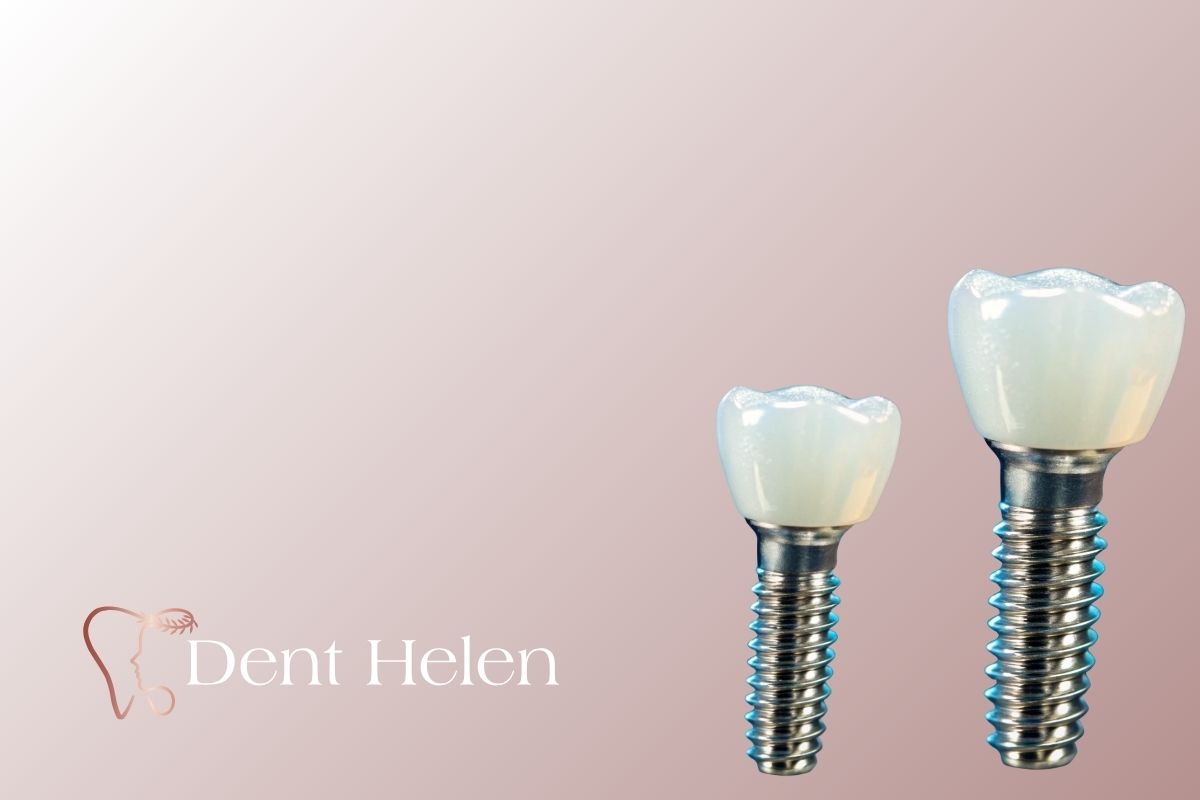
Table of Contents
Choosing a dental implant is an important decision, and one of the first questions patients ask is is dental implant surgery painful. This concern is completely natural especially for those who have never undergone a surgical dental procedure before. Many people imagine severe pain or a difficult recovery, often based on outdated information or negative stories they’ve heard. In reality, modern dental implant treatment is carefully planned to prioritize patient comfort, using advanced techniques and effective pain control methods. At Dent Helen, we regularly guide patients through this process by explaining exactly what they will feel before, during, and after surgery, so they can move forward with confidence rather than fear.
What Is Dental Implant Surgery?
Dental implant surgery in Antalya is a modern and highly effective method used to replace a missing tooth in a way that closely mimics a natural tooth. Instead of relying on surrounding teeth for support, this treatment replaces the entire structure of the tooth starting from the root. A small titanium post, also known as a metal post, is carefully placed into the jawbone to act as an artificial tooth root. Over time, this post integrates with the bone, creating a strong and stable foundation.
Once healing has progressed, a replacement tooth is attached to the implant, restoring both function and appearance. Because the implant sits securely in the jaw, it allows patients to chew, speak, and smile with confidence, just as they would with a natural tooth. This approach not only improves comfort but also helps preserve bone health, preventing the bone loss that often occurs after tooth loss.
Many patients feel anxious when they hear the word “surgery,” but it’s important to understand that dental implant surgery is a controlled, routine procedure performed by an experienced dental professional. The process is planned in detail to ensure precision, safety, and patient comfort at every stage.
What Do Patients Feel During the Procedure?
One of the biggest fears patients have before treatment is the moment of the procedure itself. Many imagine sharp pain or discomfort throughout the process, but the reality is very different. Dental implant surgery is designed to keep patients as comfortable as possible, and most people are surprised by how little they actually feel during the procedure.
Local Anesthesia and Comfort
Before the dental implant procedure begins, local anesthesia is carefully administered to numb the treatment area. This ensures that pain is not felt during surgery. While patients remain fully awake, the area around the implant site becomes completely numb, allowing the dental professional to work without causing discomfort.
Some patients report feeling pressure or mild vibration during the procedure, but this should not be confused with pain. These sensations are normal and are simply a result of working within the jawbone. For anxious patients, additional comfort options may also be discussed in advance to help them feel relaxed throughout the process.
Is the Surgery Itself Painful?
A common misconception is that the surgery itself is painful. In truth, most patients do not describe the procedure as surgery painful at all. Thanks to modern techniques and effective anesthesia, pain during placement of the titanium post is extremely rare. The experience is often compared to having a filling placed just slightly longer.
Understanding what to expect during this stage can significantly reduce anxiety. When patients know that discomfort is minimal and well-controlled, they feel far more confident moving forward with dental implant treatment.

Pain After Dental Implant Surgery
While the procedure itself is usually comfortable, it’s normal for patients to wonder what happens once the anesthesia wears off. Pain after dental implant surgery is generally mild and temporary, especially when compared to more invasive dental treatments. Most patients describe the post surgery phase as manageable rather than painful.
First 24–72 Hours After Surgery
During the first few days, some mild discomfort and tenderness around the implant site are expected. This is a normal response of the body as it begins healing. Swelling and slight soreness may occur, particularly when chewing or touching the area, but severe pain is uncommon.
Applying ice packs to the outside of the face can significantly reduce swelling and ease discomfort during this period. Following your dentist’s aftercare instructions closely helps ensure a smoother and more comfortable recovery.
Managing Pain After Surgery
Pain control after surgery is typically straightforward. Most patients find that counter pain medication is sufficient to manage any discomfort. These medications help reduce inflammation and allow patients to rest comfortably as healing begins.
It’s also recommended to avoid strenuous activity and give your body time to recover. By keeping the area clean and protected, patients usually notice that discomfort decreases each day rather than increases.
Healing Process and Recovery
Understanding the healing process is one of the most important factors in reducing anxiety after dental implant surgery. Many patients worry that discomfort will last for weeks or interfere with daily life, but in most cases, recovery is gradual, predictable, and much easier than expected. Knowing what is happening inside your mouth during healing helps you feel more in control and reassured.

Gum Healing and Implant Fusion
After the implant is placed, the body immediately begins the healing process. The gum tissue around the implant site starts to close and repair itself within the first few days. This phase, known as gum healing, is usually accompanied by mild sensitivity rather than pain. As long as proper oral hygiene is maintained, the gums heal smoothly without complications.
At the same time, a deeper and more important process begins beneath the surface. The titanium post placed in the jawbone gradually bonds with the surrounding bone in a process called osseointegration. This is when the implant fuses with the bone, creating a strong and stable foundation similar to a natural tooth root. Because this process happens slowly and naturally, patients do not usually feel pain during implant fusion. Instead, discomfort continues to decrease as the area becomes more stable.
This stage is critical for long-term success. Once the implant is fully integrated, it can support a replacement tooth that looks, feels, and functions like a natural tooth.
Eating and Daily Activities During Recovery
In the early stages of healing, it’s important to protect the implant site. Patients are advised to eat soft foods for the first few days to avoid unnecessary pressure on the area. Foods such as yogurt, soups, mashed vegetables, eggs, and soft pasta are ideal and help prevent irritation while still providing proper nutrition.
Most patients are able to return to normal daily activities within a short time, often the next day. However, heavy exercise or strenuous activity should be avoided during the initial healing phase, as this can increase swelling or discomfort. By listening to your body and following professional guidance, recovery tends to be smooth and uneventful.
As healing progresses, patients often report that the implant feels increasingly natural. Unlike removable options, a dental implant becomes part of your mouth, offering long-term comfort, stability, and confidence.
Does Bone Grafting Affect Pain Levels?
The mention of bone grafting often raises concern among patients, especially when it comes to pain. Many people assume that adding an extra step to the dental implant procedure automatically means more discomfort. In reality, bone grafting is a common and well-managed part of implant treatment, and it does not necessarily result in a more painful experience.
Bone grafting is recommended when there is not enough healthy bone to securely support a dental implant. This can happen after long-term tooth loss, as the jawbone naturally shrinks when a natural tooth is missing. The goal of bone grafting is to rebuild and strengthen the bone so the implant can be placed safely and successfully.
From a patient’s perspective, the level of discomfort after bone grafting is usually similar to standard implant surgery. Because the procedure is performed under local anesthesia, pain is not felt during treatment. Afterward, patients may notice slightly increased tenderness or swelling, but this is still considered mild discomfort and is typically short-lived.
Pain management remains the same as with standard implant placement. Most patients are comfortable using counter pain medication and applying ice packs during the first few days. Careful monitoring by a dental professional ensures that healing progresses normally and that any concerns are addressed early.
What’s important to remember is that bone grafting plays a key role in long-term implant success. While it may slightly extend the healing timeline, it helps create a strong foundation that allows the implant to function comfortably and reliably for many years. Patients who undergo bone grafting often report that the long-term benefits far outweigh the short-term inconvenience.

Dental Implant Pain Compared to Other Procedures
Many patients find it helpful to compare dental implant surgery with other dental treatments they may have experienced in the past. This comparison often puts pain concerns into perspective and helps patients better understand what to realistically expect.
When compared to a simple tooth extraction, dental implant surgery is often described as equally comfortable or in some cases, even easier to recover from. While a tooth extraction can leave an open socket that feels sensitive for several days, an implant is placed in a controlled and precise manner, which helps reduce trauma to surrounding tissues.
Patients who have had root canal treatment or wisdom tooth removal frequently report that implant discomfort is milder and more predictable. The sensation after implant placement is typically limited to mild discomfort rather than sharp pain. This discomfort gradually decreases each day as healing progresses.
Another important consideration is the long-term outcome. Unlike temporary solutions, a dental implant replaces both the visible tooth and the missing tooth root. This helps maintain jawbone structure and prevents shifting of nearby teeth. As a result, patients often experience greater comfort in the long term compared to alternatives that rely on surrounding teeth for support.
In many cases, patients say the anxiety leading up to the procedure was far worse than the actual experience. Once healing is complete, the implant feels stable and natural, allowing patients to eat, speak, and smile without ongoing discomfort.
Long-Term Comfort After Dental Implants
One of the most reassuring aspects of dental implant treatment is how comfortable implants feel once healing is complete. Many patients initially worry that having a metal post in the jaw will feel unnatural or cause ongoing sensitivity. In reality, dental implants are designed to function as part of your body, offering a level of comfort that closely resembles a natural tooth.
After the implant fuses fully with the bone, the area becomes stable and strong. At this stage, patients should not experience pain or sensitivity from the implant itself. The titanium post is biocompatible, meaning the body accepts it without reaction. This allows the implant to remain secure and comfortable over the long term.
Once the replacement tooth is attached, most patients quickly forget which tooth was replaced. Chewing, speaking, and smiling feel natural, and there is no pressure on neighboring teeth. Unlike removable options, implants do not shift or rub against the gums, which eliminates a common source of irritation and discomfort.
Long term, dental implants also help preserve jawbone health by maintaining stimulation in the area where the tooth root once was. This prevents bone loss and helps maintain facial structure, further contributing to comfort and confidence. For many patients, the long-term benefits stability, function, and peace of mind far outweigh the short recovery period experienced after surgery.
When Pain Is Not Normal
Although mild discomfort is a normal part of healing after dental implant surgery, it’s important for patients to know when pain may signal a problem. Understanding the difference between expected healing sensations and unusual symptoms helps ensure timely care and long-term success.
Normal post surgery discomfort should gradually improve each day. Slight tenderness, mild swelling, or sensitivity around the implant site is common in the early stages. However, pain that intensifies instead of improving, or discomfort that persists beyond the expected healing period, should not be ignored.
Signs that pain may not be normal include severe throbbing pain, swelling that worsens after several days, persistent bleeding, or signs of infection such as redness, warmth, or discharge around the gums. In some cases, pain may be accompanied by fever or a feeling that the implant does not feel stable when biting.
If any of these symptoms occur, it’s important to contact a dental professional promptly. Early evaluation allows potential issues to be addressed before they affect the implant or surrounding bone. Timely intervention often prevents minor concerns from becoming more serious complications.
Patients should feel comfortable reaching out to their dentist at any point during recovery. Ongoing communication and follow-up care are essential parts of a successful dental implant procedure and help ensure that healing remains on track.
Our Google Reviews
Frequently Asked Questions
Is dental implant surgery painful for everyone?
No, pain levels vary from person to person, but most patients do not describe dental implant surgery as painful. Thanks to local anesthesia, the procedure itself is usually comfortable. After surgery, patients typically experience only mild discomfort that can be easily managed with proper care and medication.
How long does pain last after dental implant surgery?
For most patients, discomfort peaks within the first 24 to 72 hours and then gradually decreases. Mild tenderness or sensitivity may last a few days, but significant pain is uncommon. If discomfort persists or worsens after several days, it’s important to contact your dental professional.
Can I return to work the next day?
Many patients are able to return to work the day after surgery, especially if their job is not physically demanding. However, it’s recommended to avoid strenuous activity for a few days to support proper healing. Listening to your body and following your dentist’s advice is key.
What helps reduce pain and swelling the fastest?
Using ice packs during the first 24 hours can significantly reduce swelling. Taking counter pain medication as directed, eating soft foods, and keeping the implant site clean all contribute to a smoother and more comfortable recovery.
Is dental implant pain worse than tooth extraction?
In many cases, patients report that dental implant surgery is no more painful and sometimes even less uncomfortable than a tooth extraction. The healing process is usually more controlled, and discomfort tends to be predictable and short-lived.