
Blogs
Digital Dentistry in Antalya: Modern Dental Technology for Better Patient Care

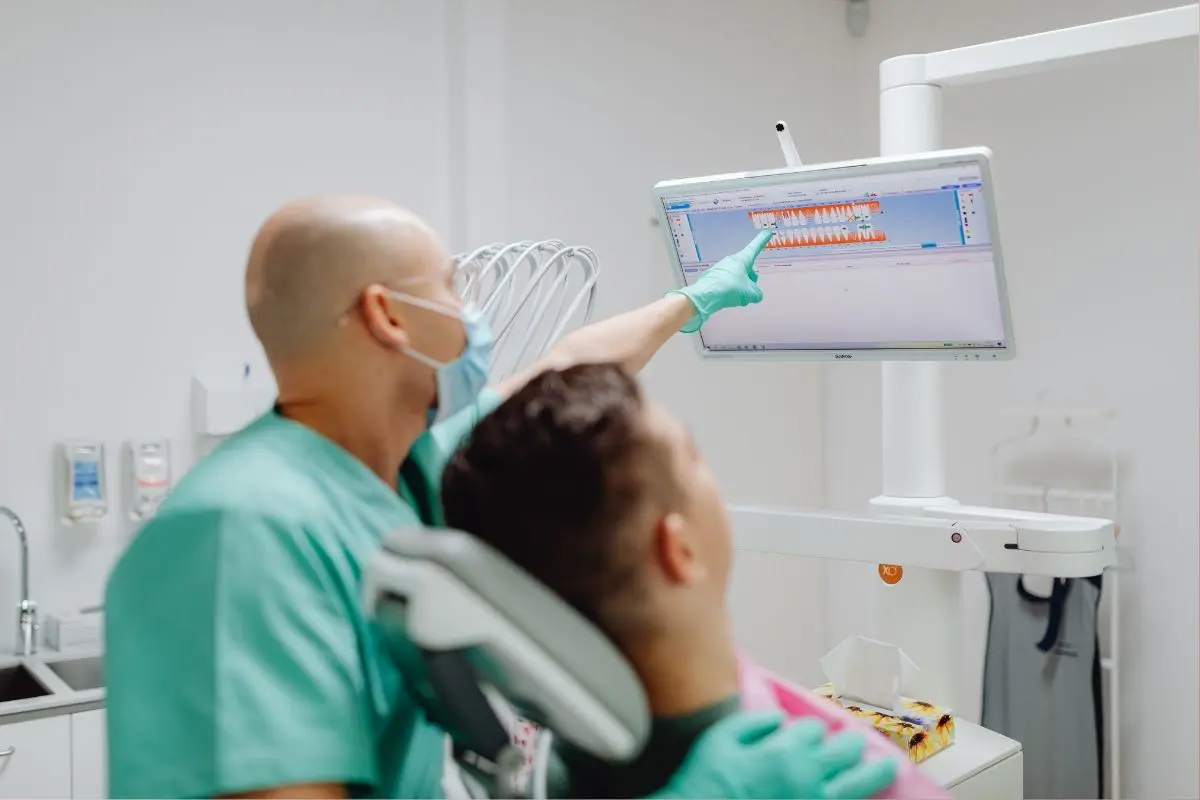
Table of Contents
Modern dentistry is rapidly evolving thanks to advanced digital technologies that improve the accuracy, speed, and comfort of dental treatments. Today, many clinics are moving away from traditional methods and adopting innovative systems that allow dentists to diagnose, plan, and perform treatments with much greater precision. This transformation is known as digital dentistry, and it is changing the way patients experience dental care.
For patients seeking modern and reliable treatment, digital dentistry in Antalya offers significant advantages. With technologies such as digital scanners, 3D imaging, and computer-guided treatment planning, dentists can create more precise diagnoses and personalized treatment plans. These tools not only improve the quality of care but also make dental procedures more comfortable and efficient for patients.
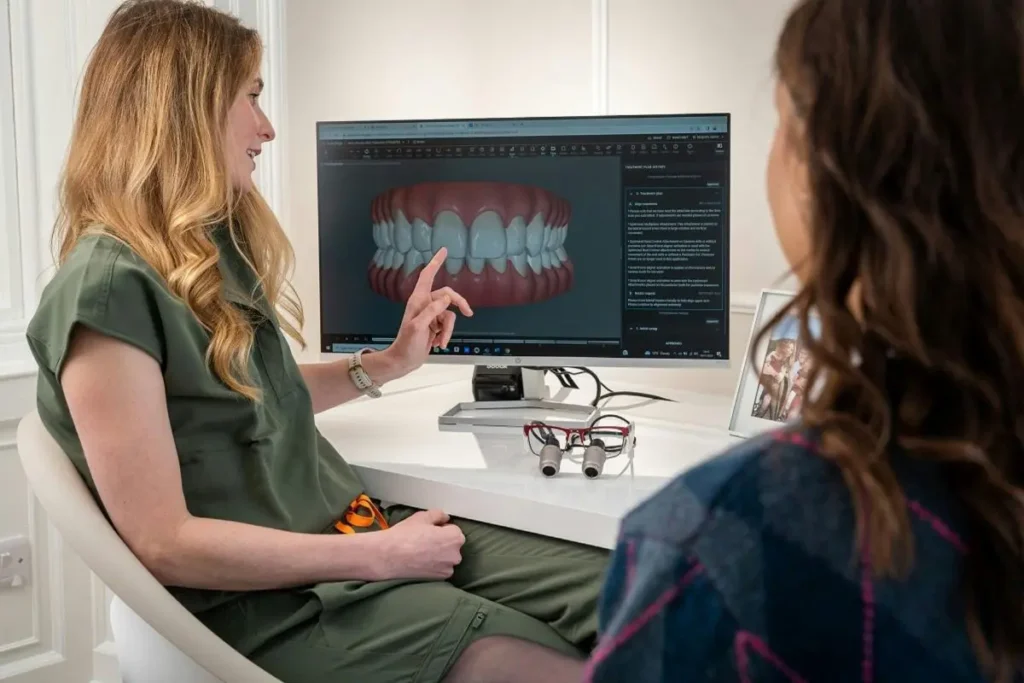
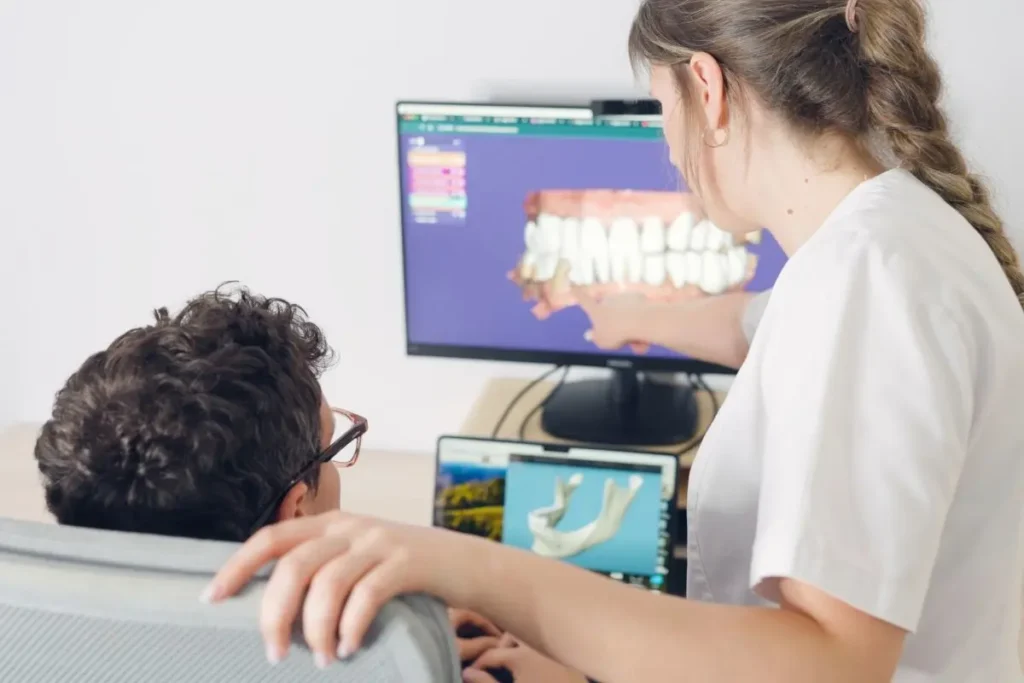
Another important benefit of digital dentistry is improved patient communication. Digital systems allow dentists to show patients detailed images of their teeth, explain treatment plans visually, and even preview potential results before treatment begins. This helps patients better understand their dental condition and feel more confident about their treatment decisions.
At Dent Helen, modern digital technologies are used to support accurate diagnostics, efficient treatment planning, and natural-looking results. By combining advanced digital tools with experienced dental care, patients can receive treatments that are designed to be more precise, comfortable, and predictable.
What Is Digital Dentistry?
Digital dentistry refers to the use of advanced digital technologies to improve the diagnosis, planning, and treatment of dental procedures. Instead of relying only on traditional manual techniques, dentists use digital tools such as 3D scanners, digital imaging systems, and computer-guided design software to provide more accurate and efficient dental care.
In traditional dentistry, procedures like dental impressions or treatment planning often required manual molds and physical models. With digital dentistry, many of these steps are now performed using high-precision digital scanners and computer software, which allows dentists to capture detailed images of the teeth and create more precise treatment plans.
For patients, this technology brings several important advantages. Digital systems help dentists detect dental problems earlier, plan treatments more accurately, and create restorations such as crowns, veneers, and implants that fit better and look more natural. In many cases, digital technology can also reduce treatment time and improve overall comfort during dental procedures.
As digital technologies continue to develop, digital dentistry is becoming an essential part of modern dental care. Clinics that use these advanced tools can offer patients more predictable results, improved treatment experiences, and higher levels of precision in restorative and aesthetic dentistry.
Technologies Used in Digital Dentistry
Digital dentistry relies on several advanced technologies that help dentists diagnose problems more accurately and plan treatments with greater precision. These technologies allow dental professionals to work more efficiently while also improving the overall experience for patients.
One of the most commonly used tools is the digital dental scanner. Instead of using traditional dental molds, dentists can scan the teeth using a small handheld device that creates a highly detailed 3D image of the patient’s mouth. This technology is faster, more comfortable, and provides very accurate measurements for treatments such as crowns, veneers, and dental implants.
Another important technology is digital radiography, which is the modern version of dental X-rays. Digital X-rays produce clearer images almost instantly and typically expose patients to lower levels of radiation compared to traditional X-ray systems. This allows dentists to detect dental problems earlier and make more accurate diagnoses.
Many modern clinics also use CAD/CAM dentistry, which stands for computer-aided design and computer-aided manufacturing. With this technology, dental restorations such as crowns, bridges, and veneers can be digitally designed and precisely manufactured to fit the patient’s teeth.
Additionally, 3D dental imaging plays an important role in advanced treatments such as dental implants. Three-dimensional scans allow dentists to view the jawbone and surrounding structures in great detail, helping them plan procedures more safely and accurately.
Benefits of Digital Dentistry for Patients
Digital dentistry offers several important advantages that can improve both the treatment process and the overall patient experience. One of the biggest benefits is greater accuracy. Digital scans and imaging allow dentists to analyze teeth and oral structures in much more detail, which helps create more precise treatment plans.
Another major advantage is patient comfort. Traditional dental impressions often required thick molds that could feel uncomfortable for some patients. With digital scanners, impressions can be taken quickly and comfortably without the need for traditional materials.
Digital technology also helps reduce treatment time. Because digital scans and designs are created instantly, dentists and dental laboratories can produce restorations such as crowns and veneers more efficiently.
Overall, digital dentistry allows for more predictable results, improved comfort, and faster treatment, making it an important part of modern dental care.
Digital Dentistry at Dent Helen
At Dent Helen, digital technology plays an important role in providing modern and patient-focused dental care. The clinic uses advanced digital systems to improve diagnostic accuracy, treatment planning, and the final results of many dental procedures.
Digital scanners and imaging technologies allow the dental team to analyze each patient’s dental structure in detail and design treatments with greater precision. This approach helps ensure that restorations such as crowns, veneers, and implants fit naturally and function properly.
By combining experienced dental care with modern digital tools, Dent Helen aims to provide treatments that are more precise, comfortable, and efficient for patients.
Digital Impressions in Dentistry
Digital impressions are one of the most important innovations in modern dentistry. Instead of using traditional molds, dentists use a small handheld scanner to create a detailed 3D image of the patient’s teeth and gums.
This technology makes the impression process much faster and more comfortable for patients. Traditional impression materials could sometimes cause discomfort or a gag reflex, but digital scanning eliminates this issue while still providing highly accurate results.
Digital impressions are especially useful for treatments such as dental crowns, veneers, bridges, and implants. The digital scan allows dentists and dental laboratories to design restorations with precise measurements, ensuring a better fit and more natural appearance.
Digital Radiography in Dentistry
Digital radiography is the modern form of dental X-ray technology used to examine teeth, roots, and jaw structures more clearly. Instead of traditional film, digital radiography uses advanced sensors that capture detailed images instantly on a computer screen.
One of the main advantages of digital radiography is that it typically exposes patients to lower levels of radiation compared to traditional X-rays. This makes the diagnostic process safer while still providing highly detailed images that help dentists detect dental problems earlier.
Digital X-rays also allow dentists to quickly analyze the condition of teeth, bones, and surrounding tissues. This helps improve diagnosis and allows dentists to plan treatments such as crowns, implants, or other restorative procedures with greater precision.
Why Patients Choose Digital Dentistry in Antalya
Many patients choose digital dentistry in Antalya because it combines modern dental technology with experienced dental care. Clinics that use digital systems can provide more precise diagnostics, better treatment planning, and improved treatment outcomes.
Another important reason is patient comfort. Digital technologies such as 3D scanners and digital impressions make many dental procedures faster and more comfortable compared to traditional methods.
Antalya has also become a popular destination for dental tourism. Patients from many countries travel here to receive advanced dental treatments while benefiting from professional care and modern dental technology. This combination of technology, expertise, and patient-focused care makes digital dentistry in Antalya an attractive option for many people seeking high-quality dental treatment.
Is Digital Dentistry Safe?
Digital dentistry is considered a safe and reliable approach in modern dental care. The technologies used in digital dentistry are designed to improve accuracy while also increasing patient safety during diagnosis and treatment.
For example, digital radiography typically uses lower radiation levels compared to traditional X-rays, which helps reduce patient exposure while still providing clear diagnostic images. This allows dentists to detect dental issues earlier and plan treatments more effectively.
Digital systems also reduce the chances of human error in measurements and treatment planning. Because many procedures rely on precise digital scans and computer-guided designs, restorations such as crowns, veneers, and implants can be created with greater accuracy.
Overall, digital dentistry supports safer diagnostics, more precise treatments, and improved patient comfort, making it an important part of modern dental care.
The Future of Digital Dentistry
Digital technology continues to transform the way dental treatments are planned and performed. As new innovations develop, digital dentistry is expected to make treatments even more precise, efficient, and comfortable for patients.
Technologies such as advanced 3D imaging, artificial intelligence, and improved CAD/CAM systems are helping dentists diagnose dental problems earlier and design treatments with greater accuracy. These developments allow dental restorations like crowns, veneers, and implants to be created with extremely precise measurements.
In the future, digital dentistry will likely continue to improve patient experiences by reducing treatment times and making procedures more predictable. As more clinics adopt these technologies, patients can expect dental treatments that are faster, more comfortable, and more personalized than ever before.
Our Google Reviews
Frequently Asked Questions
What is digital dentistry?
Digital dentistry refers to the use of advanced digital technologies such as 3D scanners, digital X-rays, and computer-guided systems to diagnose, plan, and perform dental treatments more accurately.
How does digital dentistry work?
Digital dentistry uses tools like digital scanners, 3D imaging, and CAD/CAM software to capture detailed images of the teeth and design restorations such as crowns, veneers, or implants with high precision.
What are the benefits of digital dentistry for patients?
Digital dentistry improves accuracy, reduces treatment time, increases patient comfort, and allows dentists to create more precise restorations and treatment plans.
Is digital dentistry more accurate than traditional dentistry?
Yes, digital systems can provide highly detailed scans and images, allowing dentists to diagnose dental problems earlier and design treatments with greater precision.
What technologies are used in digital dentistry?
Common technologies include digital dental scanners, digital radiography, 3D dental imaging, CAD/CAM systems, and digital smile design software.
Is digital dentistry safe?
Yes, digital dentistry is considered safe. Technologies such as digital X-rays often use lower radiation levels and provide more accurate diagnostic information.
Can digital dentistry be used for dental implants?
Yes, digital dentistry is often used in implant planning. 3D imaging allows dentists to examine bone structure and place implants with greater accuracy.
Why do many clinics use digital dentistry today?
Many clinics use digital dentistry because it improves diagnostic accuracy, speeds up treatment planning, and provides better patient comfort and more predictable results.