

Blogs
Dentures vs Dental Implants: Which Tooth Replacement Is Better?

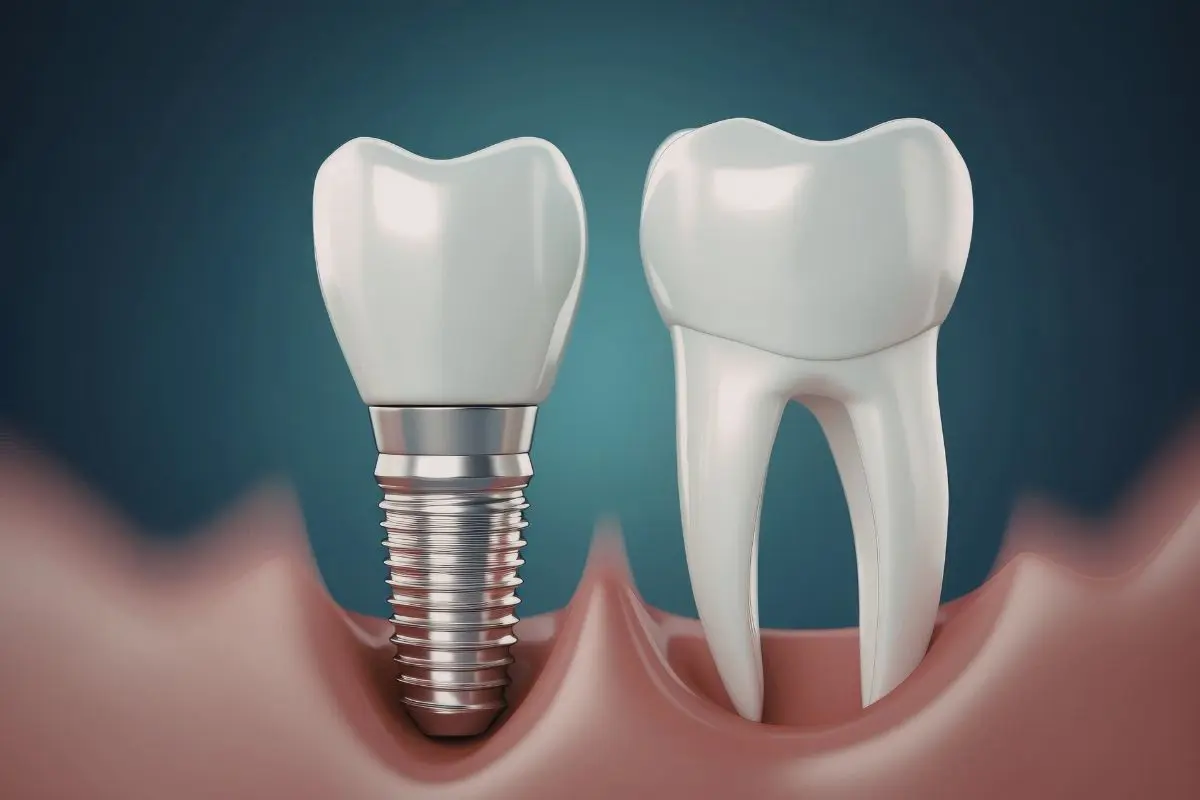
Table of Contents
When people lose one or more teeth, one of the first questions they ask is whether dentures or dental implants are the better solution. Both treatments are designed to replace missing teeth and restore the appearance and function of your smile. However, they work in very different ways and offer different long-term benefits. This is why many patients researching tooth replacement options often compare dentures vs dental implants before deciding which treatment is right for them.
Dentures have been used for decades and remain a common solution for people who need to replace multiple missing teeth. They are removable prosthetic teeth that sit on the gums and can restore basic chewing ability and appearance. Dental implants, on the other hand, are a more modern solution. They involve placing a titanium implant into the jawbone, which acts as an artificial tooth root and supports a dental crown, bridge, or even full-arch restorations.
For many patients, choosing between dentures and dental implants depends on several factors such as cost, comfort, stability, and long-term oral health. Dental implants are known for their durability and natural feel, while dentures are often a more affordable and non-surgical option. Understanding the key differences between these two treatments can help patients make an informed decision about the best way to restore their smile and improve their quality of life.
What Are Dentures?
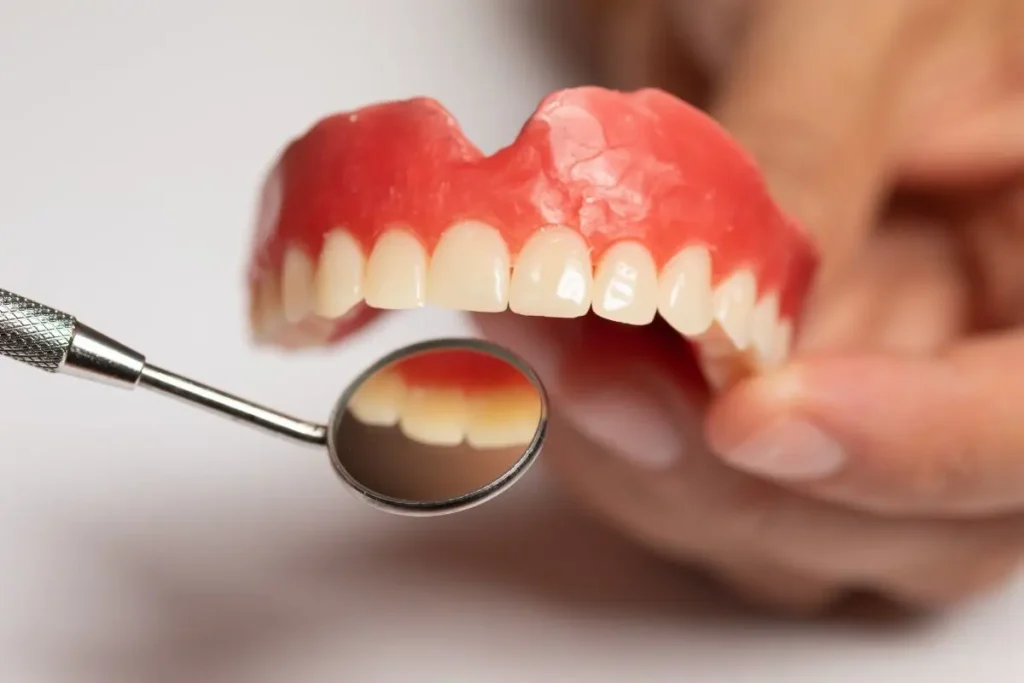
Dentures are removable prosthetic teeth designed to replace missing teeth and restore basic chewing function and appearance. They are typically made from acrylic or composite materials and are custom-made to fit comfortably over the gums. Dentures have been used for many years and remain a common solution for patients who have lost several or all of their natural teeth.
There are different types of dentures depending on the patient’s needs. Full dentures are used when all teeth in the upper or lower jaw are missing, while partial dentures are designed to replace only a few missing teeth and attach to the remaining natural teeth. Dentures help improve speech, facial appearance, and the ability to eat certain foods.
However, traditional dentures sit on top of the gums and do not replace the natural tooth root. Because of this, some patients may experience issues such as movement while eating or speaking, gum irritation, or gradual bone loss in the jaw over time. For this reason, many patients today also consider dental implants as a more stable and long-term tooth replacement solution.
What Are Dental Implants?
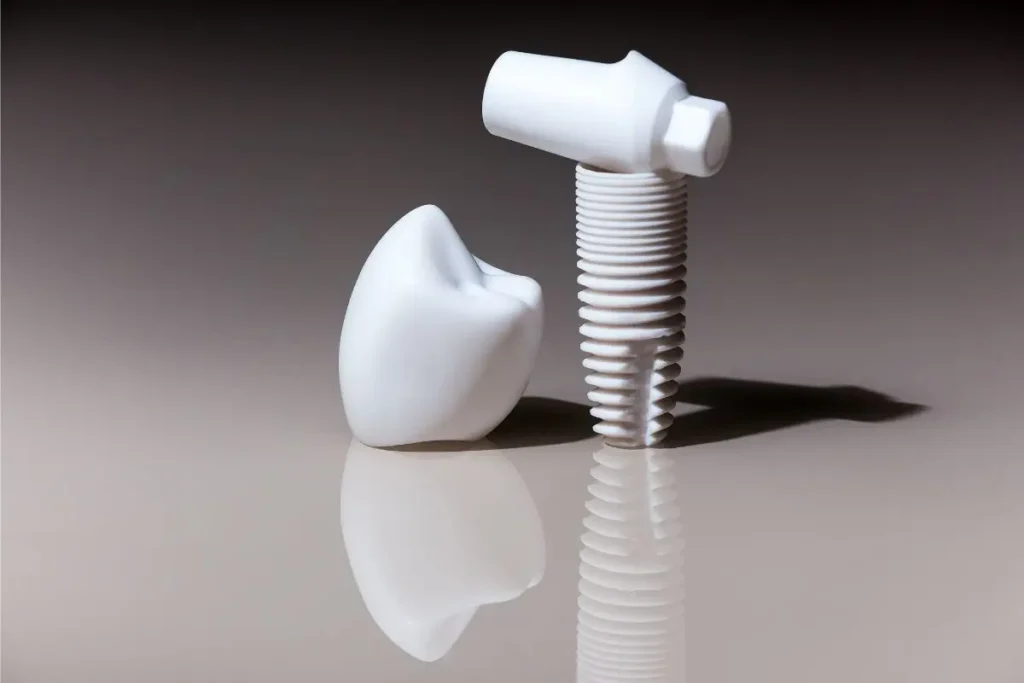
Dental implants are a modern and long-lasting solution for replacing missing teeth. Unlike dentures, which rest on the gums, dental implants are placed directly into the jawbone and act as artificial tooth roots. The implant itself is usually made of titanium, a strong and biocompatible material that integrates naturally with the bone through a process called osseointegration.
Once the implant has fully fused with the jawbone, a dental crown, bridge, or full arch prosthesis can be attached on top. This creates a replacement tooth that looks, feels, and functions very similar to a natural tooth. Because dental implants are fixed in the bone, they offer excellent stability and allow patients to chew, speak, and smile with confidence.
Dental implants can be used in several ways depending on the patient’s needs. A single implant can replace one missing tooth, while multiple implants can support bridges or full mouth restorations such as All-on-4 or All-on-6 dental implants. This versatility makes implants one of the most advanced and reliable solutions for restoring missing teeth.
Key Differences Between Dentures and Dental Implants
When comparing dentures vs dental implants, the main differences lie in stability, comfort, durability, and how they interact with the jawbone. While both options are designed to replace missing teeth, they function in very different ways and offer different long-term benefits.
Dentures are removable appliances that rest on the gums. They can restore the appearance of teeth and provide basic chewing ability, but they may sometimes move while eating or speaking. Over time, dentures may also require adjustments because the jawbone can gradually shrink after tooth loss.
Dental implants, on the other hand, are placed directly into the jawbone and function as artificial tooth roots. Because they are fixed in place, implants provide greater stability and feel much more like natural teeth. Another important advantage is that implants help preserve the jawbone, preventing the bone loss that often occurs after teeth are missing.
Durability is another key difference. Traditional dentures may need to be replaced or relined over time, while dental implants can last many years with proper care. For many patients, implants provide a more permanent and natural-feeling tooth replacement solution compared to removable dentures.
Dentures vs Dental Implants Cost
Cost is one of the most important factors patients consider when comparing dentures vs dental implants. In general, dentures are usually more affordable at the beginning because they do not require a surgical procedure and the treatment process is simpler.
Traditional full or partial dentures typically have a lower upfront cost, which makes them an attractive option for patients who are looking for a quick and budget-friendly solution to replace missing teeth. However, dentures may need periodic adjustments, relining, or replacement over time, which can increase the long-term cost.
Dental implants usually require a higher initial investment because they involve a surgical procedure, implant placement, and custom-made restorations such as crowns or bridges. Despite this higher upfront cost, implants are often considered a long-term solution because they are durable and can last many years when properly maintained.
For many patients, the decision between dentures and dental implants comes down to balancing initial cost, long-term value, comfort, and stability when restoring missing teeth.
Comfort and Chewing Ability: Dentures vs Dental Implants
Comfort and chewing ability are important factors when choosing between dentures and dental implants. Because dentures sit on top of the gums, some patients may experience movement while eating or speaking. This can make it difficult to chew certain foods, especially harder or tougher textures.
Dental implants provide a more stable solution because they are anchored directly into the jawbone. This strong foundation allows patients to bite and chew with much greater confidence. Many people who switch from dentures to implants report that implants feel more natural and allow them to enjoy a wider variety of foods.
Another advantage of dental implants is that they do not rely on surrounding teeth or gums for support. Since they function like natural tooth roots, they help distribute chewing pressure more evenly across the jaw. For patients who prioritize stability, comfort, and natural function, dental implants are often considered the more reliable long-term option.
Long-Term Durability: Dental Implants vs Dentures
Durability is another key factor when comparing dentures vs dental implants. While both options can restore missing teeth, their lifespan and long-term maintenance needs are quite different.
Dentures are designed to replace missing teeth effectively, but they may require adjustments over time. Because dentures sit on the gums, changes in the jawbone can affect how they fit. Many patients need periodic relining or replacement after several years to maintain comfort and proper function.
Dental implants, on the other hand, are known for their long-term durability. Since implants integrate with the jawbone, they provide a stable and long-lasting foundation for replacement teeth. With proper oral hygiene and regular dental check-ups, dental implants can last many years and often remain functional for decades.
For patients looking for a more permanent solution to missing teeth, dental implants are often considered the most durable and stable option compared to traditional removable dentures.
Who Is a Good Candidate for Dental Implants?
Dental implants are an excellent solution for many people who want a stable and long-lasting replacement for missing teeth. However, not every patient is automatically a candidate for implant treatment. A successful dental implant procedure depends on several factors related to oral health and overall health.
One of the most important requirements is having sufficient jawbone density to support the implant. Because implants are placed directly into the bone, the jaw must be strong enough to hold the titanium implant securely. If bone loss has occurred, additional procedures such as bone grafting may sometimes be recommended to prepare the area for implant placement.
Good oral hygiene is also important for patients considering dental implants. Healthy gums and proper dental care help ensure the long-term success of the implant. Patients who do not smoke or who are willing to reduce smoking may also experience better healing and implant stability.
A consultation with an experienced implant dentist is the best way to determine whether dental implants are the right option. During the consultation, the dentist evaluates the patient’s oral health, bone structure, and treatment goals to create a personalized treatment plan.
When Are Dentures a Better Option?
While dental implants offer many long-term advantages, dentures can still be a suitable solution for certain patients. In some cases, patients may prefer dentures because they provide a faster and more affordable way to replace multiple missing teeth.
Dentures may be recommended for patients who have significant bone loss in the jaw and are not suitable candidates for implant surgery without additional procedures such as bone grafting. They can also be a practical option for individuals who prefer a non-surgical treatment.
Another advantage of dentures is that they can replace a full set of missing teeth without requiring implant placement. For patients looking for a removable solution that restores the appearance of their smile and improves basic chewing ability, dentures can still be an effective treatment option.
Ultimately, the choice between dentures and dental implants depends on the patient’s oral health, budget, and personal preferences. A consultation with a qualified dentist can help determine which treatment option will provide the best functional and aesthetic results.
Why Many Patients Choose Dental Implants in Turkey
In recent years, Turkey has become one of the most popular destinations for patients seeking high-quality dental treatments abroad. Many international patients travel to Turkey for procedures such as dental implants because of the combination of modern clinics, experienced dentists, and competitive treatment prices.
Dental clinics in Turkey often use advanced technologies such as 3D imaging, digital treatment planning, and internationally recognized implant systems. These modern techniques allow dentists to plan implant placement with precision and achieve predictable, long-lasting results.
Another reason many patients choose Turkey is the well-developed dental tourism infrastructure. Clinics frequently provide support for international patients, including treatment planning before travel, multilingual patient coordinators, and assistance with accommodation and transportation. This organized approach makes the treatment process more comfortable and convenient for patients traveling from abroad.
For patients considering dental implants, choosing an experienced clinic is one of the most important steps. Clinics such as Dent Helen in Antalya focus on patient-centered care, modern dental technology, and carefully planned implant treatments designed to restore both function and confidence in a natural-looking smile.
Our Google Reviews
Frequently Asked Questions About Dentures vs Dental Implants
Are dental implants better than dentures?
Dental implants are often considered a more stable and long-term solution because they are placed directly into the jawbone and function like natural tooth roots. This provides better chewing ability, improved comfort, and helps prevent bone loss. Dentures, however, can still be a suitable option for patients who prefer a removable or more affordable tooth replacement.
What is the main difference between dentures and dental implants?
The main difference is that dentures are removable prosthetic teeth that sit on the gums, while dental implants are fixed artificial tooth roots placed into the jawbone. Because implants are anchored in the bone, they provide greater stability and a more natural feel compared to traditional dentures.
Do dental implants last longer than dentures?
Yes, dental implants typically last much longer than dentures. With proper care and regular dental check-ups, implants can remain functional for many years or even decades. Dentures may need to be adjusted, relined, or replaced over time as the jawbone gradually changes shape.
Are dentures cheaper than dental implants?
Dentures generally have a lower initial cost because they do not require surgery. Dental implants usually involve a higher upfront investment but are often considered a long-term solution due to their durability and stability.
Can dentures be replaced with dental implants?
Yes, many patients who currently wear dentures choose to replace them with dental implants or implant-supported dentures. This treatment can significantly improve stability, comfort, and chewing ability compared to traditional removable dentures.