
Blogs
What to Do After Dental Implants? Aftercare & Recovery Guide

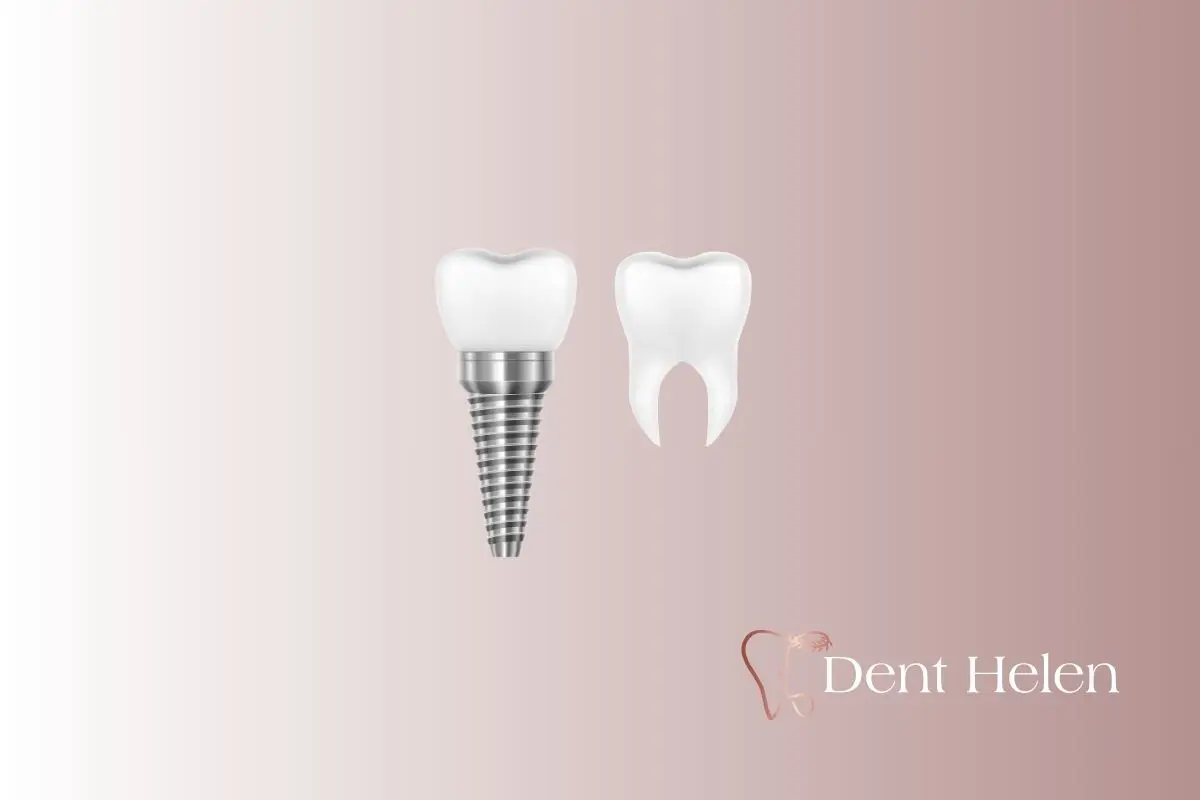
Table of Contents
Dental implants are one of the most reliable and long-lasting solutions for missing teeth, offering a natural look and strong functionality. However, the success of your treatment does not depend only on the procedure itself dental implant aftercare plays a crucial role in how well and how quickly you heal.
Many patients feel unsure about what to do after their procedure. Questions like “What should I eat?”, “Is this pain normal?”, or “When can I go back to my daily routine?” are extremely common. The good news is that with the right guidance and simple daily care, the healing process can be smooth, comfortable, and predictable.
In this guide, you will learn what to do after dental implants, step by step from the first 24 hours to full recovery. We will also cover important topics such as pain management, nutrition, oral hygiene, and signs to watch out for. Whether you have just had your implant surgery or you are preparing for it, this patient-focused guide will help you feel confident and well-informed throughout your recovery journey.
At Dent Helen Dental Clinic, we always emphasize that proper aftercare is just as important as the treatment itself. With the right approach, you can protect your investment, avoid complications, and enjoy long-lasting, natural-looking results.
Why Dental Implant Aftercare Is So Important
While dental implants have a very high success rate, the healing period is a critical phase that should never be underestimated. Proper dental implant aftercare directly affects how well the implant integrates with your jawbone a biological process known as osseointegration. This is what makes the implant stable, durable, and long-lasting.
Neglecting aftercare instructions, even in the early days, can increase the risk of complications such as infection, delayed healing, or in rare cases, implant failure. On the other hand, following simple care guidelines can significantly improve healing speed and overall comfort.
From a patient’s perspective, aftercare is not complicated but it does require awareness and consistency. Small habits like avoiding pressure on the implant area, maintaining good oral hygiene, and following dietary recommendations can make a huge difference in your results.
At Dent Helen Dental Clinic, we always remind our patients that dental implants are not just a procedure they are a process. The surgery is only the first step. What you do in the days and weeks after your treatment is what ensures that your implant becomes a strong, permanent part of your smile.
What to Expect Immediately After Dental Implant Surgery
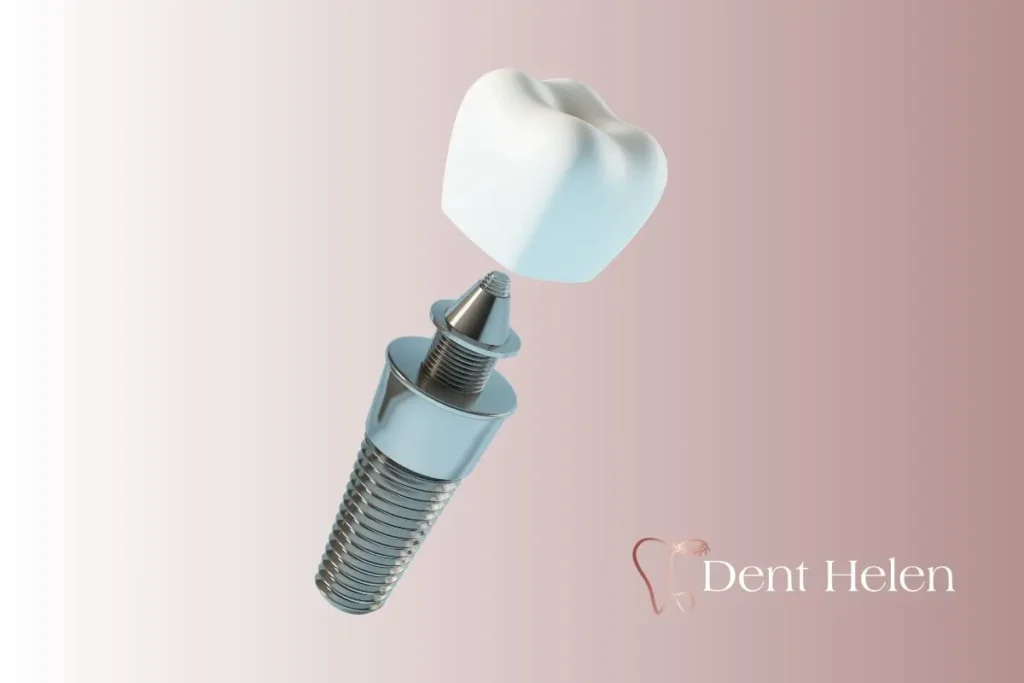
Right after your dental implant procedure, it is completely normal to experience some temporary effects as your body begins the healing process. Understanding what is normal can help reduce anxiety and ensure you respond correctly during the first critical hours.
As the anesthesia wears off, you may notice mild discomfort, slight bleeding, and swelling around the treated area. These are expected reactions and usually subside within the first few days. The level of discomfort varies from patient to patient, but it is generally manageable with prescribed or recommended pain relief.
You may also feel numbness in your lips, cheeks, or tongue for a few hours after the procedure. During this time, it is important to avoid eating hard foods or biting the area unintentionally.
Another common experience is minor oozing or spotting from the implant site. This is normal within the first 24 hours. Gently biting on sterile gauze, as advised by your dentist, helps control this and supports proper clot formation which is essential for healing.
At Dent Helen Dental Clinic, patients are carefully guided through these first hours after surgery to ensure they feel safe and informed. Knowing what to expect helps you stay calm and follow the right steps, reducing the risk of unnecessary concern.
The First 24 Hours After Dental Implants
The first 24 hours after your procedure are the most important part of the healing process. What you do during this period can directly impact how well your implant stabilizes and how quickly your recovery begins. Following proper dental implant aftercare instructions during this time helps protect the surgical area and reduces the risk of complications.
First and most importantly, rest is essential. Avoid any physical activity, bending, or heavy lifting. Keeping your head slightly elevated, even while sleeping, can help minimize swelling and support better blood circulation.
You may experience mild bleeding during the first few hours. This is completely normal. Gently biting on a clean gauze pad as instructed will help control it. However, avoid spitting, rinsing forcefully, or using a straw, as these actions can disturb the blood clot that forms over the implant site a key step in proper healing.
Eating should be limited to soft, cool foods during this period. Foods like yogurt, soup (lukewarm), mashed potatoes, or smoothies (without a straw) are ideal. Avoid hot drinks, hard foods, and anything that requires chewing near the implant area.
Oral hygiene is also important, but it must be done carefully. Do not brush directly on the surgical site on the first day. Instead, gently clean the surrounding areas and follow any specific instructions given by your dentist, such as using a prescribed mouthwash if recommended.
At Dent Helen Dental Clinic, patients are given clear, step-by-step guidance for this critical first day to ensure a smooth start to recovery. Even small precautions during these first 24 hours can significantly improve your overall healing experience.
Dental Implant Recovery Timeline (Day by Day)
Understanding the dental implant recovery timeline helps you stay relaxed and confident throughout the healing process. While every patient heals at a slightly different pace, most people follow a similar pattern from the first few days to full recovery.
Days 1–3: Initial Healing Phase
During the first few days, mild pain, swelling, and sensitivity are completely normal. This is your body’s natural response to surgery. Swelling usually peaks around day 2 or 3 and then gradually decreases. At this stage, rest, soft foods, and careful oral hygiene are essential.
Days 4–7: Noticeable Improvement
By the end of the first week, most patients begin to feel significantly better. Swelling and discomfort reduce, and daily activities become easier to manage. If stitches are placed, they may either dissolve on their own or be removed during this period, depending on your treatment plan.
Weeks 2–4: Tissue Healing
Your gums continue to heal, and the implant area becomes more stable. Pain is usually minimal or completely gone. While everything may feel normal, it’s still important to avoid excessive pressure on the implant site and continue following aftercare instructions.
1–3 Months: Bone Integration (Osseointegration)
This is the most critical phase, even though you may not feel anything happening. The implant is gradually fusing with your jawbone, creating a strong and permanent foundation. Proper dental implant aftercare during this stage is essential for long-term success.
3–6 Months: Full Recovery
By this point, the implant is typically fully integrated with the bone. Your dentist can proceed with placing the final crown or prosthetic. Once completed, your implant will function just like a natural tooth.
At Dent Helen Dental Clinic, each patient’s healing process is closely monitored to ensure everything progresses as expected. Regular follow-ups help identify any issues early and keep your recovery on track.
What to Eat After Dental Implants
Your diet plays a key role in the healing process after implant surgery. Choosing the right foods not only helps you feel more comfortable but also protects the implant area and supports faster recovery. In the first days following the procedure, your goal should be to avoid pressure on the implant while still getting enough nutrients.
During the initial 24–48 hours, it is best to stick to soft, cool, and easy-to-consume foods. Options like yogurt, mashed potatoes, smoothies (without using a straw), soups at a lukewarm temperature, and scrambled eggs are ideal. These foods minimize irritation and reduce the risk of disturbing the healing site.
As the days progress and your comfort improves, you can slowly introduce slightly firmer foods. However, you should still avoid chewing directly on the implant area. Foods that are too hard, crunchy, sticky, or spicy can irritate the tissue and delay healing.
It is equally important to stay hydrated, but avoid hot drinks, alcohol, and carbonated beverages in the early stages. These can increase sensitivity or interfere with the healing process.
At Dent Helen Dental Clinic, patients are given personalized dietary recommendations based on their treatment plan. Proper nutrition not only helps your body heal but also ensures that your implant remains stable and complication-free.
Things to Avoid After Dental Implant Surgery
Just as important as knowing what to do is understanding what not to do after your procedure. Avoiding certain habits during the healing phase is a key part of proper dental implant aftercare, as even small mistakes can negatively affect the implant’s stability.
One of the most critical things to avoid is putting pressure on the implant area. Chewing hard foods, biting directly on the implant, or touching the area with your tongue or fingers can disturb the healing tissue and slow down recovery.
Smoking is another major risk factor. It reduces blood flow to the gums, delays healing, and significantly increases the risk of implant failure. Patients are strongly advised to avoid smoking, especially during the first weeks after surgery.
Alcohol should also be limited or avoided in the early stages. It can interfere with healing, interact with medications, and increase the risk of bleeding or irritation in the treated area.
Physical activity is another factor to consider. Intense exercise, heavy lifting, or bending over in the first few days can increase blood pressure and lead to swelling or bleeding. Resting and allowing your body to recover is essential.
At Dent Helen Dental Clinic, patients are clearly informed about these restrictions to ensure a smooth healing process. Following these guidelines helps protect your implant and significantly improves the chances of long-term success.
Pain, Swelling, and Normal Symptoms After Implants
Experiencing some level of discomfort after dental implant surgery is completely normal and expected. Understanding these symptoms can help you stay calm and manage the healing process with confidence.
Mild to moderate pain is common, especially within the first few days. This discomfort is usually well-controlled with prescribed or over-the-counter pain medication recommended by your dentist. Most patients describe it as manageable rather than severe.
Swelling is another natural response. It typically increases during the first 48–72 hours and then gradually subsides. Applying a cold compress to the outside of your face during the first day can help reduce swelling and improve comfort.
You may also notice slight bruising around the implant area or even on the cheek. This is a normal part of the healing process and usually fades within a few days. Minor bleeding or oozing during the first 24 hours is also expected.
It’s important to remember that every patient heals differently. Some people experience very minimal symptoms, while others may feel more sensitivity depending on the complexity of the procedure.
At Dent Helen Dental Clinic, patients are reassured that these symptoms are a normal part of recovery. However, if pain becomes severe, swelling worsens after a few days, or unusual symptoms appear, it is important to contact your dental team.
Signs of Infection or Implant Failure
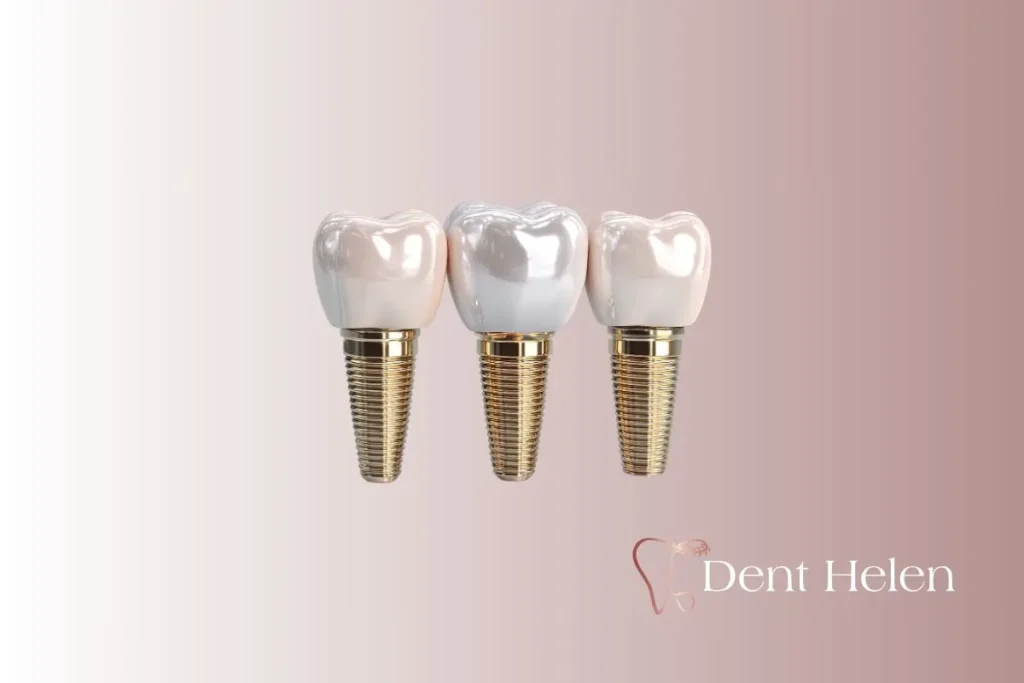
Although dental implants are highly successful, it is important to recognize early warning signs that may indicate a problem. Being aware of these symptoms allows you to act quickly and prevent more serious complications.
One of the most common signs of infection is persistent or worsening pain that does not improve after the first few days. While mild discomfort is normal, increasing pain may signal that something is not healing properly.
Swelling that continues to grow after 3–4 days, especially if accompanied by redness or warmth around the area, can also be a warning sign. In some cases, patients may notice pus, an unpleasant taste, or bad breath, which can indicate infection.
Another important symptom to watch for is implant mobility. A dental implant should feel stable. If you feel movement or instability in the implant area, it is essential to contact your dentist immediately.
Fever, general discomfort, or difficulty opening your mouth can also be signs that require professional evaluation. These symptoms should never be ignored.
At Dent Helen Dental Clinic, patients are closely monitored during the healing period to ensure everything progresses safely. Early intervention can often resolve minor issues before they become serious problems.
Oral Hygiene After Dental Implants
Maintaining proper oral hygiene is essential for a smooth recovery and long-term success of your implant. Even though the area may feel sensitive at first, keeping your mouth clean helps prevent infection and supports healthy healing.
In the first 24 hours, you should avoid brushing directly on the implant site. After this initial period, you can begin gentle cleaning using a soft-bristled toothbrush. It’s important to clean the surrounding teeth carefully while being cautious around the treated area.
Your dentist may recommend an antibacterial mouthwash to reduce the risk of infection. When using it, avoid aggressive rinsing gentle movements are enough to keep the area clean without disturbing the healing tissue.
As healing progresses, maintaining a consistent oral care routine becomes even more important. Brushing twice a day, flossing carefully, and attending regular dental check-ups will help ensure your implant remains healthy and stable.
At Dent Helen Dental Clinic, patients are given personalized hygiene instructions tailored to their treatment. Following these recommendations not only protects the implant but also supports overall oral health.
Good oral hygiene is not just part of recovery it is a long-term commitment that ensures your dental implant functions like a natural tooth for many years.
Returning to Normal Life After Dental Implants: Activities, Smoking & Alcohol
One of the most common questions patients ask is when they can safely return to their normal routine after dental implant surgery. While recovery is generally smooth, it’s important to reintroduce daily activities gradually to protect the healing implant.
For most patients, light daily activities can be resumed within 1–2 days after the procedure. However, intense physical activity such as heavy lifting, gym workouts, or sports should be avoided for at least 5–7 days. Increased blood pressure from physical exertion can lead to swelling, bleeding, or discomfort around the implant area.
Returning to work depends on the nature of your job. If your work is not physically demanding, you may feel comfortable going back within a couple of days. However, if your job involves physical strain, taking a few extra days to rest is strongly recommended.
Smoking is one of the most critical factors that can negatively affect healing. Nicotine reduces blood flow to the gums, which slows down the healing process and increases the risk of implant failure. Ideally, patients should avoid smoking completely during the first 1–2 weeks, and if possible, reduce or quit altogether during the healing period.
Alcohol should also be avoided in the early stages, especially while taking medications. It can interfere with healing, increase sensitivity, and raise the risk of complications. Waiting at least a few days before consuming alcohol is generally advised.
At Dent Helen Dental Clinic, patients are guided on how to safely return to their daily routines without compromising their results. Taking a cautious approach during this phase helps ensure that your implant heals properly and becomes a strong, permanent part of your smile.
Expert Tips for Faster Healing After Dental Implants
While healing naturally takes time, there are several simple steps you can follow to support your body and speed up recovery. These expert-backed tips can make your experience more comfortable and help ensure long-term success.
First, always follow your dentist’s instructions carefully. Every patient’s case is different, and personalized guidance is the most reliable way to avoid complications.
Applying a cold compress during the first 24 hours can significantly reduce swelling and discomfort. Use it intermittently for example, 10–15 minutes on and off to avoid irritation.
Nutrition also plays a major role. Eating soft, nutrient-rich foods and staying well-hydrated helps your body repair tissues more efficiently. Avoid skipping meals, as proper nourishment supports faster healing.
Maintaining good oral hygiene is essential, but it must be done gently. Keeping the area clean reduces the risk of infection and promotes healthy tissue recovery.
Another important tip is to get enough rest. Your body heals faster when you are well-rested, so avoid stress and allow yourself time to recover properly.
Finally, avoid habits that can delay healing, such as smoking or consuming alcohol too early. These can significantly slow down the recovery process and increase risks.
Our Google Reviews
Frequently Asked Questions
How long does dental implant healing take?
The initial healing phase usually takes 1–2 weeks, while full integration with the bone can take between 3 to 6 months.
Is pain normal after dental implant surgery?
Yes, mild to moderate discomfort is normal for a few days and can be managed with recommended pain relief.
What can I eat after dental implants?
Soft foods such as yogurt, soup, mashed potatoes, and eggs are recommended, especially during the first few days.
Can I smoke after dental implants?
It is strongly advised to avoid smoking for at least 1–2 weeks, as it can negatively affect healing and increase the risk of implant failure.
When can I return to normal activities?
Light activities can usually be resumed within a couple of days, while intense physical activity should be avoided for about a week.
How do I know if my implant is failing?
Signs such as severe pain, persistent swelling, infection, or movement in the implant area should be evaluated by your dentist as soon as possible.