

Blogs
Dental Implant Failure: Signs, Causes, Symptoms and Treatment Options

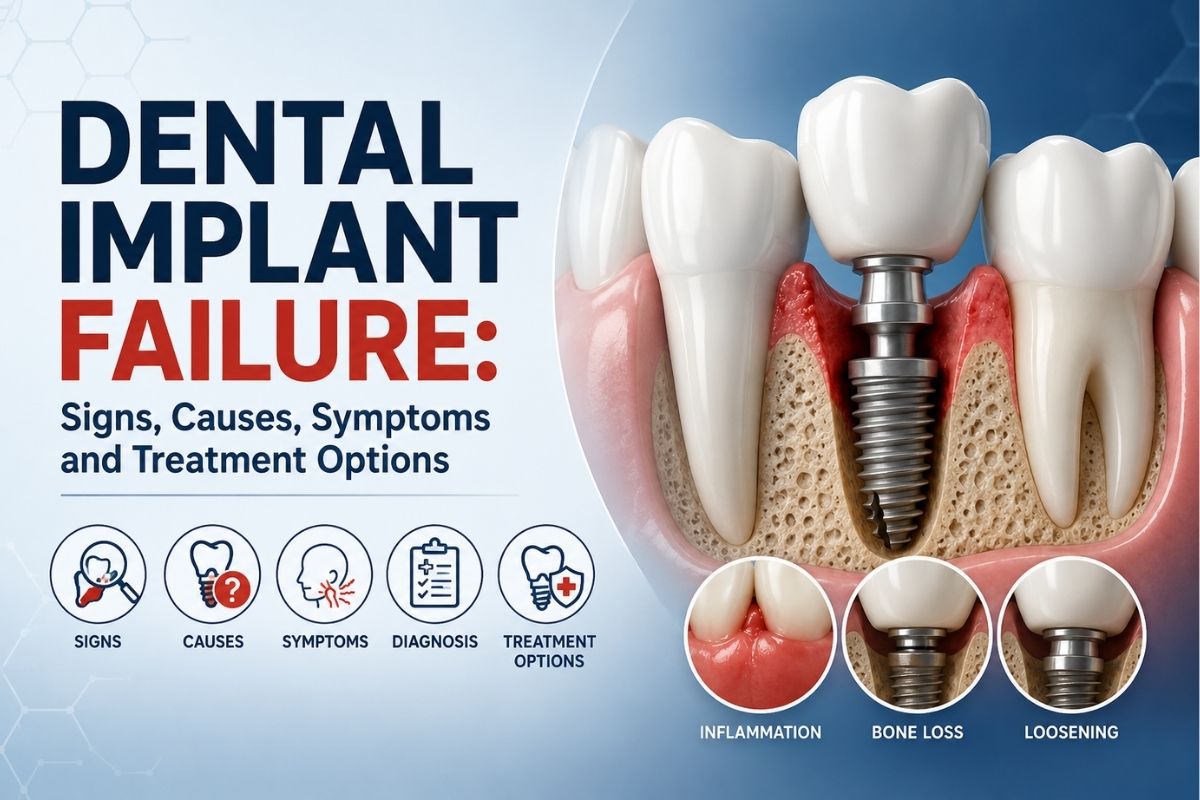
Dental implant problems can be worrying for patients, especially when there is pain, swelling or discomfort around an implant. However, not every pain or sensitivity means that the implant is failing. Some symptoms may be related to temporary gum irritation, bite pressure or inflammation that needs professional evaluation.
Dental implant failure can happen for different reasons, but early diagnosis may help protect oral health and improve treatment options. At Dent Helen, symptoms such as pain around the implant, swelling, mobility, gum problems or suspected bone loss are assessed with a patient-focused approach to understand the real cause and plan the right treatment.
What Is Dental Implant Failure?
Dental implant failure means that an implant cannot function properly as a stable and healthy tooth replacement. This may happen when the implant does not integrate well with the jawbone, loses stability over time, or develops infection and bone loss around the surrounding tissues.
A failed dental implant does not always mean that every implant problem is permanent or untreatable. Issues such as dental implant problems, implant osseointegration difficulties or inflammation around the implant should be evaluated with a clinical examination and X-ray or CBCT imaging before deciding on the correct treatment.
Signs of Dental Implant Failure Patients Should Not Ignore
The signs of dental implant failure may include persistent pain around the implant, swelling or redness of the gums, implant movement, pressure while chewing, bad taste, bad smell, gum recession, inflammation or discharge around the implant area. In some cases, bone loss around implant structures may only be seen clearly on dental X-rays.
These symptoms do not always mean that the implant has definitely failed. However, they should not be ignored. If you notice pain, swelling, mobility or changes around your implant, a dentist should examine the area to determine whether the problem is related to gum inflammation, bite pressure, infection, bone loss or implant stability.
Dental Implant Failure Symptoms: Early and Late Warning Signs
Dental implant failure symptoms may appear early during the healing period or later after the implant has been in function for months or years. Early warning signs may include severe pain that does not improve after implant placement, swelling, signs of infection, early implant movement or problems with implant osseointegration, which means the implant is not bonding properly with the jawbone.
Late symptoms can develop after the implant has been used successfully for a long time. These may include bone loss around the implant, peri-implantitis, gum recession, pressure while chewing, a loose dental implant or problems with the fit of the crown or prosthesis. Any of these symptoms should be checked by a dentist before the problem becomes more advanced.
What Causes Dental Implant Failure?
Many patients ask what causes dental implant failure, but there is usually not one single reason. Implant problems may be related to oral hygiene, bone quality, general health, surgical planning, bite forces and long-term care habits. In some cases, more than one factor may contribute to implant failure.
Common causes include poor implant osseointegration, peri-implantitis, bone loss around implant areas, smoking, uncontrolled diabetes, systemic diseases, bruxism, insufficient bone support, incorrect loading, excessive chewing forces, poor oral hygiene and lack of regular dental check-ups. At Dent Helen, implant treatments are planned with detailed evaluation, radiological assessment and a personalized approach to reduce possible risks.
Early vs Late Dental Implant Failure
Dental implant failure can be grouped into early and late failure depending on when the problem appears. Early dental implant failure may happen during the healing period after implant placement. It is often related to poor implant osseointegration, infection, insufficient bone support or healing problems.
Late dental implant failure can develop after the implant has worked well for years. This is more commonly linked to peri-implantitis, bone loss, excessive chewing forces, bruxism or lack of long-term maintenance. Regular dental check-ups help detect these problems before they become more serious.
Dental Implant Failure After 10 Years: Can It Happen?
Yes, dental implant failure after 10 years can happen, although dental implants are designed to be long-lasting treatments. Like natural teeth, implants need regular care, good oral hygiene and professional follow-up to stay healthy over time.
Problems many years after treatment are often related to peri-implantitis, bone loss, smoking, poor oral hygiene, teeth grinding or missed dental check-ups. For this reason, it is important not to see implants as “maintenance-free” or guaranteed for life without proper care.
Dental Implant Failure Rate: How Common Is It?
The dental implant failure rate is generally low, and dental implants are considered a highly successful tooth replacement option when they are planned and maintained properly. However, no medical or dental treatment can be guaranteed 100% for every patient.
The risk of failure may change depending on bone quality, oral hygiene, smoking habits, general health, implant system, surgical planning, prosthetic design and regular maintenance. A realistic treatment plan and good aftercare are important for long-term implant success.
Dental Implant Failure Treatment Options
Dental implant failure treatment depends on the condition of the implant, the level of bone loss, the presence of infection and whether the implant is mobile. In some cases, professional cleaning around the implant, peri-implantitis treatment, medication support or correction of the crown and prosthesis fit may help control the problem.
If there is advanced bone loss or the implant has lost stability, removal of the implant may be necessary. However, not every failed dental implant must be removed immediately. In some cases, the implant can be saved; in others, the area may need to heal before bone grafting, a new implant plan or an alternative prosthetic solution is considered.
Can a Failed Dental Implant Be Replaced?
In many cases, a failed dental implant can be replaced, but the reason for failure must be understood first. If the implant was lost because of infection, bone loss or implant osseointegration problems, the area may need healing and additional treatment before a new implant is placed.
At Dent Helen, implant revision evaluation includes clinical examination, X-ray or CBCT assessment and personalized treatment planning. If there is enough healthy bone and the cause of failure can be managed, a new implant may be planned after the area is ready.
How to Reduce the Risk of Dental Implant Problems
Patients can reduce the risk of dental implant problems by maintaining good daily oral hygiene and attending regular dental check-ups. Cleaning around the implant correctly, avoiding smoking, managing gum inflammation early and checking the crown or prosthesis fit are important for long-term implant health.
Patients who grind their teeth may need a night guard to protect the implant and restoration from excessive pressure. It is also helpful to avoid biting very hard foods directly on implant-supported teeth and to contact a dentist early if there is bleeding, swelling, bad taste or discomfort around the implant.
When Should You See a Dentist for a Failing Implant?
You should see a dentist as soon as possible if your implant feels loose, painful or different when chewing. Severe or persistent pain, gum swelling, pus around the implant, bad taste, bad smell, gum recession or pressure around the implant can be warning signs that need professional evaluation.
These symptoms do not always mean that the implant will be lost, but waiting too long may make treatment more difficult. If bone loss is suspected on an X-ray or if the implant moves, a dentist should check the area quickly to understand the cause and protect your oral health.
Why Choose Dent Helen for Dental Implant Evaluation in Antalya?
Dent Helen provides dental implant evaluation in Antalya for international patients who have pain, mobility, infection signs or concerns about a failed dental implant. The assessment may include clinical examination, X-ray or CBCT-supported planning and evaluation of bone loss, gum health and implant stability.
The treatment plan is prepared according to the patient’s condition, not with a one-size-fits-all approach. Dent Helen considers both function and aesthetics when planning implant revision, failed dental implant replacement options and aftercare recommendations for long-term oral health.
Our Google Reviews
Frequently Asked Questions About Dental Implant Failure
What are the signs of dental implant failure?
The signs of dental implant failure may include pain, swelling, implant mobility, gum recession, bad taste, bad smell, inflammation or discharge around the implant. In some cases, bone loss around implant areas may only be detected with dental X-rays or CBCT imaging.
What causes dental implant failure?
Dental implant failure may be caused by peri-implantitis, implant osseointegration problems, insufficient bone support, smoking, poor oral hygiene, teeth grinding, systemic health conditions or incorrect loading. In many cases, more than one factor can contribute to implant problems.
Can a failed dental implant be replaced?
Yes, a failed dental implant can often be replaced, but this depends on the bone condition and the reason for failure. In some cases, the failed implant is removed, the area is allowed to heal, and a new implant may be planned after bone grafting or additional treatment if needed.
Is dental implant failure painful?
Dental implant failure can be painful for some patients, especially if there is infection, inflammation or pressure around the implant. However, some implant problems may progress silently without severe pain, so persistent swelling, bleeding or discomfort should be checked by a dentist.
Can dental implant failure happen after 10 years?
Yes, dental implant failure after 10 years can happen. Long-term implant problems are often related to peri-implantitis, bone loss, bruxism, smoking, poor oral hygiene or lack of regular dental check-ups.