

Blogs
Sinus Lift in Cost in Antalya

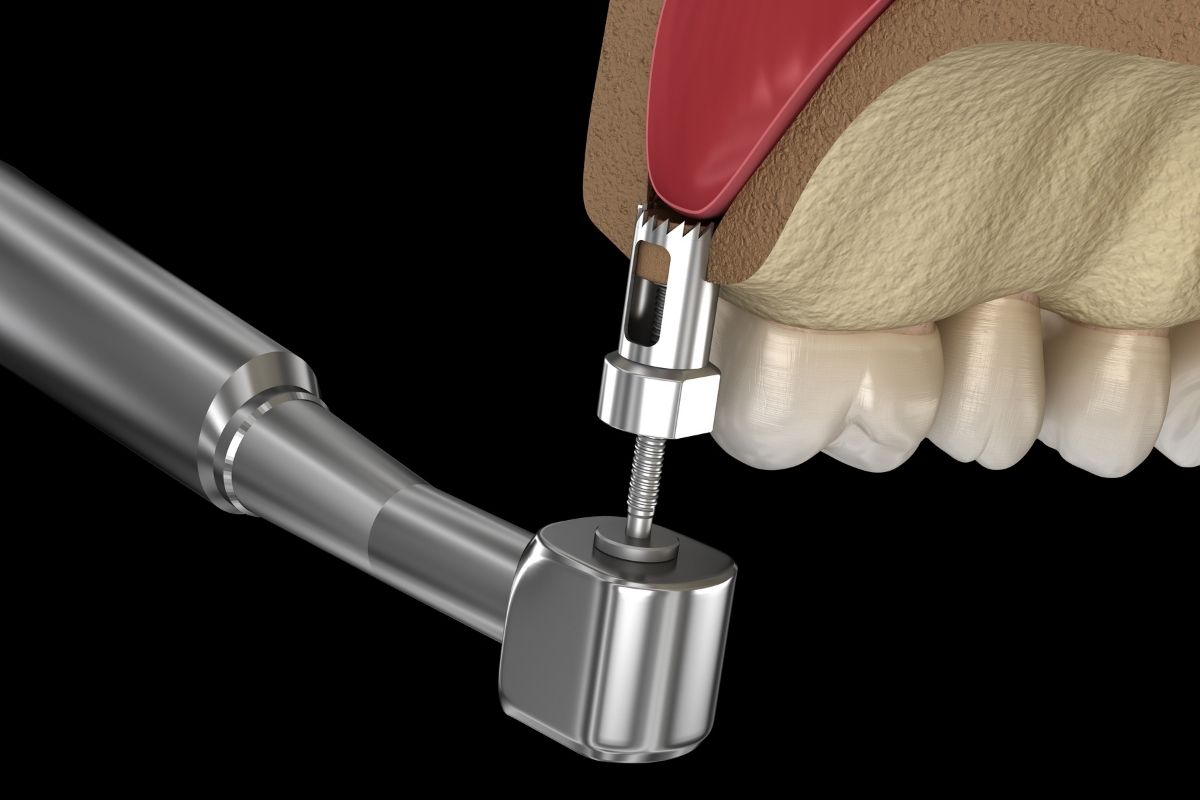
Table of Contents
Sinus Lift in Cost in Antalya is one of the most common questions for patients who are planning dental implants but have been told they do not have enough bone in the upper jaw. A sinus lift is not a cosmetic procedure it is a functional and often necessary surgical step that creates a solid foundation for long-lasting dental implants. Naturally, patients want to understand not only why the procedure is needed, but also how much it costs, what affects the price, and whether it is safe to have it done abroad.
Antalya has become a preferred destination for sinus lift surgery thanks to its experienced dental specialists, modern clinics, and significantly more affordable treatment costs compared to many European countries. However, the cost of a sinus lift is not fixed it depends on several medical and procedural factors that should be evaluated individually. In this guide, we explain what a sinus lift involves, who needs it, how the cost is determined in Antalya, and what international patients should realistically expect before making a decision.
What Is a Dental Sinus Lift Procedure?
A dental sinus lift procedure is a surgical treatment designed to increase the amount of bone in the upper jaw, specifically in the area of the molars and premolars, where the maxillary sinuses are located. When natural bone height is insufficient, placing dental implants safely becomes difficult or even impossible. This procedure gently lifts the sinus membrane and creates space for new bone material, allowing implants to be placed securely.
Bone loss in the upper jaw commonly occurs due to long-term tooth loss, gum disease, or natural anatomical factors where the maxillary sinus gradually expands into the empty tooth area. Over time, this reduces the available bone needed to support an implant. In such cases, a maxillary sinus lift surgery helps restore the lost bone volume and prepares the area for successful implant treatment.
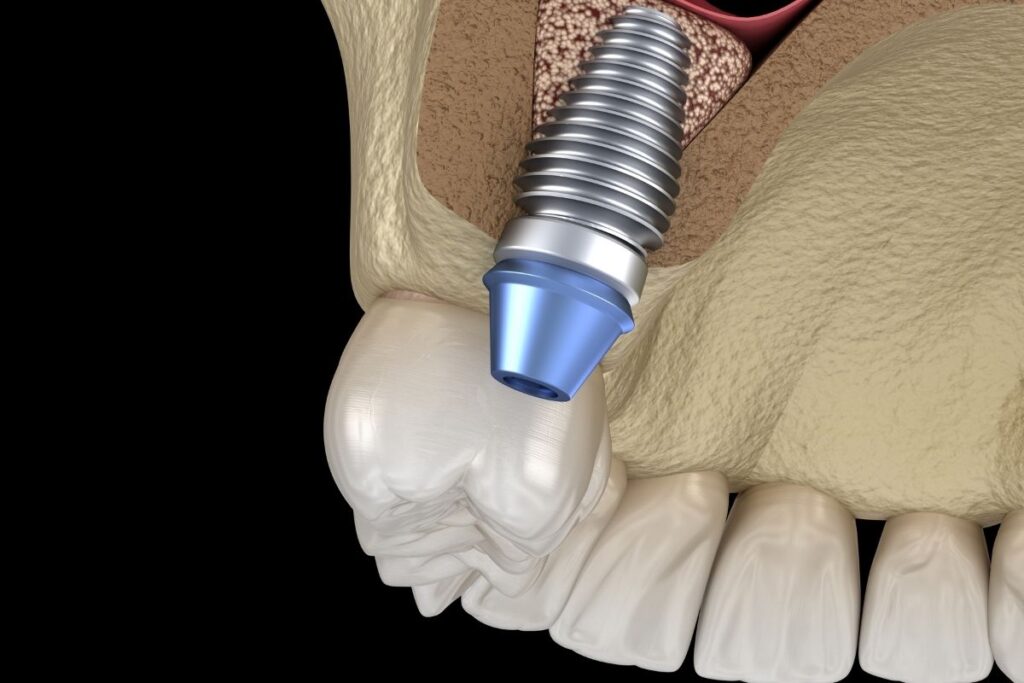
A sinus lift is often a necessary step before dental implant placement because implants require a strong and stable bone foundation to function properly and last for many years. Without adequate bone support, the risk of implant failure increases. By performing a sinus lift before or during implant treatment, dental specialists ensure both the safety of the procedure and the long-term success of the implants.
Who Needs a Sinus Lift Before Dental Implant?
Understanding who needs sinus lift surgery is an important step before starting dental implant treatment. A sinus lift is usually recommended for patients who have insufficient bone height in the upper jaw, particularly in the back teeth area. This situation often occurs after long-term tooth loss, advanced gum disease, or natural sinus expansion over time. When the remaining bone is too thin to securely support an implant, a sinus lift becomes medically necessary.
If you are asking yourself, “Do I need sinus lift before implant?”, the answer depends on your individual bone structure rather than your age or general health. Some patients may have lost bone gradually without noticing any symptoms. This is why imaging plays a crucial role in treatment planning. Even if the gums appear healthy, hidden bone loss may still require a sinus lift to ensure implant stability.
In certain cases, alternatives such as short implants or angled implants may be considered. However, these options are not suitable for every patient and depend on how much bone is available and where it is located. A detailed evaluation using panoramic X-rays and 3D dental tomography (CBCT) allows the dental specialist to determine whether a sinus lift is necessary or if alternative solutions can be safely applied.
Open Sinus Lift vs Closed Sinus Lift: What’s the Difference?
When comparing open sinus lift vs closed sinus lift, the main difference lies in the amount of existing bone and the complexity of the procedure. Both techniques aim to increase bone height in the upper jaw, but they are chosen based on individual anatomical needs rather than patient preference. Understanding these differences helps patients know what to expect in terms of recovery, timing, and implant placement.
Open Sinus Lift Surgery
An open sinus lift is preferred when there is a significant lack of bone in the upper jaw and implant placement is not possible without substantial bone augmentation. In this method, the sinus membrane is accessed from the side of the jaw, allowing the dentist to place a larger amount of bone graft material.
Because more bone regeneration is required, the healing period is usually longer compared to other methods. In most cases, dental implants are placed after the bone has fully healed, typically several months later. Open sinus lift surgery is considered highly predictable and is often recommended in advanced bone loss cases to ensure long-term implant success.
Closed (Internal) Sinus Lift
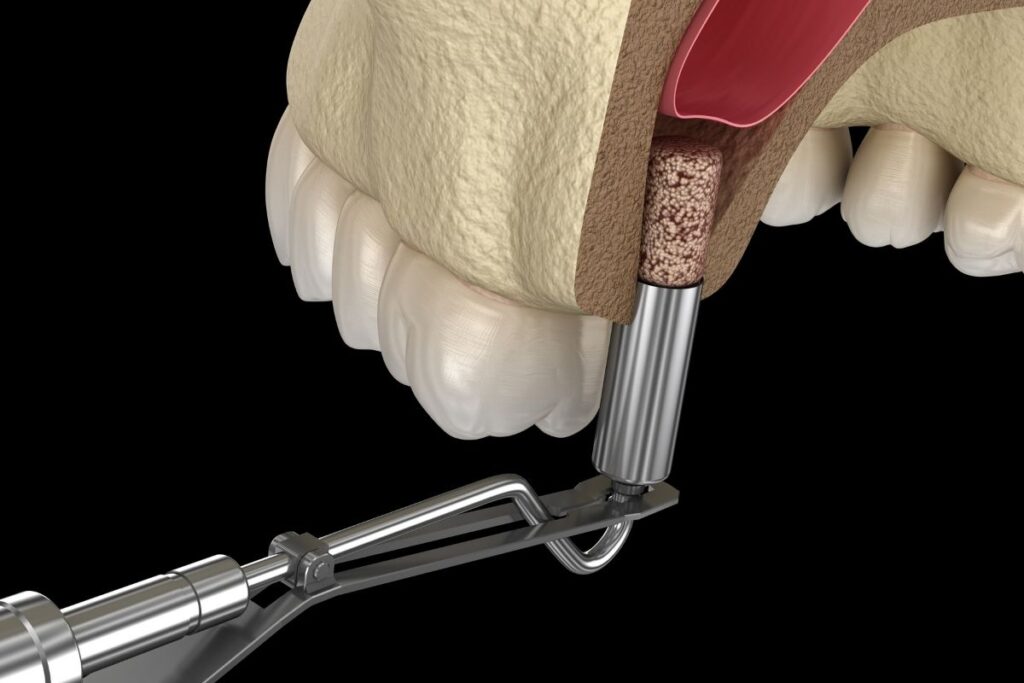
A closed, or internal, sinus lift is a less invasive option used in cases where a small increase in bone height is needed. This technique is performed through the implant site itself, without opening the side of the jaw. As a result, it is suitable for patients with minimal bone deficiency.
One of the main advantages of a closed sinus lift is that dental implants can often be placed during the same session. Recovery time is generally shorter, and post-operative discomfort is usually mild. However, this method is only appropriate when existing bone levels are sufficient to provide initial implant stability.
How Much Does Sinus Lift Cost in Antalya?
The sinus lift cost in Antalya depends on several medical and procedural factors rather than a fixed price list. Patients often ask, “How much does sinus lift cost in Antalya?”, but the answer varies based on the complexity of the surgery and the individual treatment plan. Compared to many European countries, the sinus lift surgery cost in Antalya is generally more affordable, while clinical standards and materials remain high.
One of the main factors affecting the price is the type of sinus lift performed. An open sinus lift usually requires more surgical time, a larger amount of bone graft material, and a longer healing process, which can increase the overall cost. A closed sinus lift, on the other hand, is less invasive and typically more cost-effective when suitable for the patient’s bone condition.
Another important consideration is whether dental implants are placed at the same time as the sinus lift. When implants can be inserted during the same procedure, the overall treatment cost may be lower compared to performing the sinus lift and implant placement in separate stages. However, this decision depends entirely on bone stability and must be evaluated through detailed imaging. A personalized consultation ensures both accurate cost planning and long-term implant success.
What Factors Affect Sinus Lift Cost in Antalya?
The sinus lift procedure cost in Turkey is influenced by several clinical factors rather than a single standard price. Each patient’s anatomy and treatment needs are different, which is why sinus lift surgery is always planned on an individual basis. Understanding these factors helps patients make informed decisions and avoid focusing solely on the lowest price.
One of the most important cost factors is the type of bone graft material used during the procedure. Natural bone substitutes, synthetic grafts, or advanced biomaterials may be selected depending on the patient’s condition, and each option has a different cost and healing profile.
The complexity of the surgery also plays a significant role. Cases with advanced bone loss require more surgical expertise, longer procedure times, and a more detailed healing plan. In addition, the experience of the dental surgeon and the clinical infrastructure such as 3D imaging systems and sterile surgical environments directly affect both safety and pricing.
Finally, whether dental implants are placed at the same time as the sinus lift can influence the overall cost. Combined procedures may reduce total treatment time and appointments, but they are only possible when bone stability allows. A thorough clinical assessment ensures that cost efficiency never compromises long-term implant success.
Sinus Lift Cost in Antalya vs Europe
When comparing sinus lift Turkey vs Europe, many patients are surprised by the significant price difference. In most European countries, sinus lift procedures are associated with higher clinical operating costs, including staff salaries, laboratory expenses, insurance fees, and overall healthcare overheads. These factors directly increase treatment prices, even when the procedure itself follows similar medical protocols.
In contrast, Antalya dental surgery prices are more accessible due to lower operational costs and a highly competitive medical tourism market. This does not mean lower quality. On the contrary, many clinics in Antalya use the same internationally approved materials and advanced imaging technologies as their European counterparts. The key difference lies in cost structure, not medical standards.
For international patients, this price advantage can translate into substantial savings, even when travel and accommodation are included. Many patients choose Antalya not only for affordability but also for comprehensive treatment planning, shorter waiting times, and dedicated care for overseas patients. This combination of quality, transparency, and cost efficiency makes Antalya a trusted destination for sinus lift treatment.
Is Sinus Lift Surgery Painful?
One of the most common concerns patients have is “is sinus lift painful?” The procedure itself is not painful, as it is performed under local anesthesia, ensuring that the treatment area is completely numb during surgery. Some clinics may also offer mild sedation for anxious patients, making the experience more comfortable.
After the procedure, mild discomfort, swelling, or a feeling of pressure in the sinus area is normal during the first few days. This is part of the natural healing process and usually subsides quickly. Most patients describe the post-operative sensation as manageable rather than painful.
Pain control is typically achieved with prescribed medications, and following post-operative instructions helps minimize discomfort. Avoiding pressure changes, such as blowing the nose forcefully, and maintaining proper oral hygiene support a smoother recovery. With appropriate care, patients usually return to their daily routine within a short period.
Sinus Lift Recovery Time and Healing Process
The sinus lift recovery time varies depending on the type of procedure performed and the patient’s individual healing capacity. While the initial recovery is usually straightforward, understanding the full sinus lift healing process helps patients plan their treatment timeline realistically and with confidence.
How Long Does It Take to Heal After a Sinus Lift?
Initial healing after a sinus lift typically takes about 7 to 10 days. During this period, mild swelling, sensitivity, or a feeling of fullness in the sinus area is normal and gradually improves. Most patients can return to daily activities within a few days, as long as post-operative instructions are carefully followed.
Complete bone integration, however, takes longer. The newly placed bone graft needs time to fuse with the existing bone, which usually takes between 4 and 6 months. This phase is essential for creating a stable foundation capable of supporting dental implants long term.
How Long After Sinus Lift Can I Get Implants?
In some cases, dental implants can be placed during the same session as the sinus lift, especially when there is enough existing bone to provide initial implant stability. This approach can shorten the overall treatment time and reduce the number of surgical procedures.
When bone volume is very limited or the procedure is more complex, implant placement is delayed until full healing occurs. In these situations, implants are typically placed after the bone graft has completely integrated, ensuring optimal safety and long-term success. A detailed clinical evaluation determines the most appropriate timing for each patient.
Risks and Complications of Sinus Lift Surgery
As with any surgical procedure, understanding the risks of sinus lift surgery is an important part of informed decision-making. While sinus lift is considered a safe and predictable treatment, especially when performed by experienced specialists, being aware of possible outcomes helps patients approach the procedure with realistic expectations.
Possible Risks
One of the most common concerns is related to the sinus membrane. In rare cases, the membrane may be perforated during surgery, which can usually be managed immediately without affecting the final result. Infection is another potential risk, although it is uncommon when proper sterile techniques and post-operative care are followed.
Other possible complications after sinus lift may include temporary swelling, minor bleeding, or sinus congestion. These effects are generally short-lived and resolve with appropriate aftercare and prescribed medication. Careful planning and advanced imaging significantly reduce these risks.
Sinus Lift Success Rate
Sinus lift surgery has a high success rate when performed under proper clinical conditions. Success largely depends on accurate diagnosis, correct surgical technique, and the quality of bone graft materials used.
The experience of the dental surgeon plays a crucial role in minimizing complications and ensuring long-term implant stability. Clinics that use 3D imaging and follow standardized protocols consistently achieve predictable outcomes, making sinus lift surgery a reliable step toward successful dental implant treatment.
Are There Alternatives to Sinus Lift Surgery?
For some patients, exploring alternatives to sinus lift surgery can be an important part of the decision-making process. While a sinus lift is often the most predictable solution for insufficient bone in the upper jaw, it is not the only option in every case. The suitability of alternatives depends entirely on individual bone anatomy and implant stability requirements.
Short Implants
One commonly discussed alternative is the use of short implants. In cases where bone height is slightly reduced but still sufficient for implant stability, short implants may eliminate the need for a sinus lift. When comparing sinus lift vs short implants, the main consideration is long-term support rather than convenience.
Short implants can be suitable for patients with mild bone loss, good bone density, and favorable bite forces. However, they are not recommended for severe bone deficiency, as implant longevity may be compromised without adequate support.
Sinus Lift Without Bone Graft
In selected cases, a sinus lift may be performed without adding bone graft material, allowing the body to naturally form new bone over time. This approach is highly case-specific and depends on the patient’s healing capacity and existing bone conditions.
It is important to note that this method is not suitable for every patient. Detailed imaging and professional evaluation are essential to determine whether this option is safe and predictable. Choosing the right technique ensures that long-term implant success is never compromised for short-term simplicity.
Is Sinus Lift Safe for International Patients in Antalya?
Yes, sinus lift treatment in an Antalya clinic is considered safe for international patients when performed in licensed medical facilities that follow national and international standards. Dental clinics offering dental sinus lift Turkey for foreigners operate under regulations set by the Turkish Ministry of Health, which oversees sterilization protocols, clinical hygiene, and practitioner qualifications.
Antalya has extensive experience in treating international patients, particularly within medical tourism. Many clinics are accustomed to working with overseas patients and provide clear treatment planning, transparent communication, and multilingual support. This experience helps ensure that patients feel informed and comfortable at every stage of their treatment, from consultation to surgery.
Equally important is the follow-up and aftercare process. Reputable clinics in Antalya provide detailed post-operative instructions, medication guidance, and remote follow-up support once patients return home. This continuity of care plays a key role in maintaining safety, promoting proper healing, and ensuring long-term implant success for international patients.
Our Google Reviews
Frequently Asked Questions About Sinus Lift in Antalya
How much does sinus lift cost in Antalya?
The cost of a sinus lift in Antalya depends on the type of procedure, the amount of bone graft required, and whether implants are placed at the same time. Compared to many European countries, treatment costs in Antalya are generally more affordable while maintaining high medical standards. An exact price can only be determined after a clinical evaluation.
Is sinus lift painful?
Sinus lift surgery is performed under local anesthesia, so patients do not feel pain during the procedure. After surgery, mild discomfort or swelling may occur, but this is usually manageable with prescribed medication and resolves within a few days.
How long after sinus lift can implants be placed?
In some cases, dental implants can be placed during the same session as the sinus lift if there is sufficient bone stability. When additional healing is required, implants are typically placed after 4 to 6 months, once the bone graft has fully integrated.
Is sinus lift surgery safe in Turkey?
Yes, sinus lift surgery is considered safe in Turkey when performed in licensed clinics that follow Ministry of Health regulations. Clinics experienced with international patients use modern technology and standardized protocols to ensure patient safety and predictable outcomes.
Is sinus lift mandatory for dental implants?
A sinus lift is not mandatory for every implant patient. It is only required when there is insufficient bone height in the upper jaw to support implants safely. A detailed examination using X-rays or 3D imaging determines whether the procedure is necessary.